Port automation systems

Port Automation Systems That Actually Deliver ROI

We design and build systems to help you process terminals faster, lower your labor cost, and grow with the amount of cargo you move (from dockside to gate). The vast majority of terminals are currently using spreadsheets, radio calls, and separate software. At the same time, the volume of cargo continues to grow and it is becoming increasingly difficult to find qualified personnel. Additionally, the information that you require for your operations is spread across multiple systems. Port automation challenges like these don't fix themselves, but a phased, ROI-first approach makes them manageable. The operators who move first aren't the biggest; they're the ones tired of workarounds.

See Your Blueprint ↓

Production-grade automation port systems, engineered to your terminal. No off-the-shelf TOS templates.

terminal processes automated
500+
operators served
12
to first system live
4–6 weeks
See your automation in 15 seconds

See How Your Operations Could Be Automated

Type one process you still run manually (container tracking, gate processing, crane scheduling, cargo documentation) and get a mini blueprint in 15 seconds. No signup required.

Try:

No signup · takes 15 seconds

Example

What you get for “Chasing leads by hand”

  1. Your CRM

    Connects to your data

  2. Cleanup engine

    We build

    Removes duplicates & bad data

  3. Lead scoring

    We build

    Surfaces only good leads

  4. Email

    Links threads to each lead

  5. Click-to-call

    Call right from the lead

hours saved / mo
~40+h
to build
3–4 wks

You'll see what processes can be automated, approximately how much time can be saved each month, and roughly how long it takes to create. A simple "napkin sketch" before the real architectural process begins. While this does not take the place of a thorough evaluation of your existing systems, it will indicate if you should proceed with further discussion, and provide a clear picture of some of the quick wins.

Trusted by terminal operators across 12 industries · 68 businesses automated

Services

What We Automate in Terminal Operations

The port automation solutions market is growing at 13.6% CAGR. Terminals that invest now lock in a competitive edge that compounds year after year. Below is what we build, with each service designed around the pain points we see repeatedly in container and bulk cargo environments.

Container Terminal Operating Systems (TOS)

From
Fragmented scheduling and manual yard planning
To
A unified TOS that tracks containers in real time and assigns slots automatically

Where dispatchers juggle spreadsheets and phone calls to track container positions. Vessel arrival times are tracked in one tool, while yard space and equipment availability sit elsewhere. None of them share updates. Planners can see every container on one screen. Berth schedules and truck appointments are coordinated with available yard space.
Gate Automation & OCR Systems

From
Manual truck ID checks and four-minute processing that backs up traffic onto public roads during peak hours
To
Automatic OCR clearance within less than 60 seconds

Drivers idle while clerks radio the yard to confirm booking numbers. Cameras read plate numbers, container codes, and seals at the same time and drivers do not have to stop long enough to even get out of their vehicle. Exception handling will route those trucks which are flagged to a second lane so as not to block the main queue.

Crane Remote Operation & Scheduling

From
Each crane needs its own operator
To
Cranes controlled remotely from one control room

Supervisors plan shifts based on who they know is available. Between vessel calls, machines can sit idle for hours. Operators rotate between machines, while scheduling software matches equipment to each vessel. Work can continue across shifts, within safe weather limits.

Yard Management & AGV Coordination

From
Straddle carriers wait for radio instructions and often sit idle between jobs
To
AI-guided AGV routing that reduces empty travel by 30%

Extra container moves take up time and delay vessel turnaround. The nearest available vehicle gets each assignment. Overnight stack planning helps avoid unnecessary re-handling the next morning.

Data Integration & Analytics

From
Siloed data across five or more disconnected port management automation systems
To
A single pane dashboard with real time KPI's on berth utilization, yard density, gate throughput, and rail coordination

Scheduling of berths is managed by one system, log of gate access is managed by a second system, and inventory of the yard is managed by a third system. Manually reconciling the numbers can take days to produce reports. A single source of truth versus five different reports that conflict. Decisions made mid-shift rather than waiting until the end of the week for a spreadsheet.

Environmental Compliance Monitoring

From
Manual tracking of emissions
To
Automated shore power management and real-time monitoring of carbon emissions resulting in on-demand compliance report generation

Along with the use of paper-based environmental reporting that can require weeks of preparation before being submitted for compliance purposes, results in the last minute rush to meet regulatory requirements each quarter. Port process automation applied to a domain most operators still handle with clipboards and spreadsheets.

How it works

How Port Process Automation Works With CGS Team

From first call to production – a clear path, fixed scope, no open-ended projects.

  1. 01

    Operations Audit

    Free
    Start here

    We review your existing workflow for each terminal process (quay scheduling, yard management, gate processing, data flow) and identify the top ROI opportunities. This assessment is free of charge and does not require you to commit to anything. Even if you choose not to go ahead with our services, many customers gain some insight from this exercise.

  2. 02

    Blueprint & Architecture

    You get a clear plan of action: the list of port management automation systems you need to link together, the order in which you should address specific process areas, an estimate of how much each process area could save money, and a guaranteed cost to complete the project. The blueprint becomes the contract. What's scoped is what gets built, at the price we agreed.

  3. 03

    V1: First System Live

    4–6 weeks

    We build and deploy your first automated workflow, usually the one with the fastest payback. You see real, measurable results before deciding on the full scope. If V1 doesn't deliver, there's no pressure to continue.

  4. 04

    Full Build & Integration

    We roll out the rest: TOS integration, OCR at the gates, yard coordination, analytics dashboards, all wired into your existing infrastructure. Nothing gets ripped out; everything gets connected. Each module goes live independently, so there's no single cutover day that puts the whole terminal at risk.

  5. 05

    Ongoing Optimization & Support

    Ongoing

    Post-launch monitoring, performance tuning, and system updates. We don't hand you a manual and vanish. If throughput dips, a new carrier onboards, or regulations change, we adjust. It's a retainer, not a goodbye.

Case studies

Port Automation Systems: Results Our Clients See

Each project started with a free audit and delivered measurable results within months.

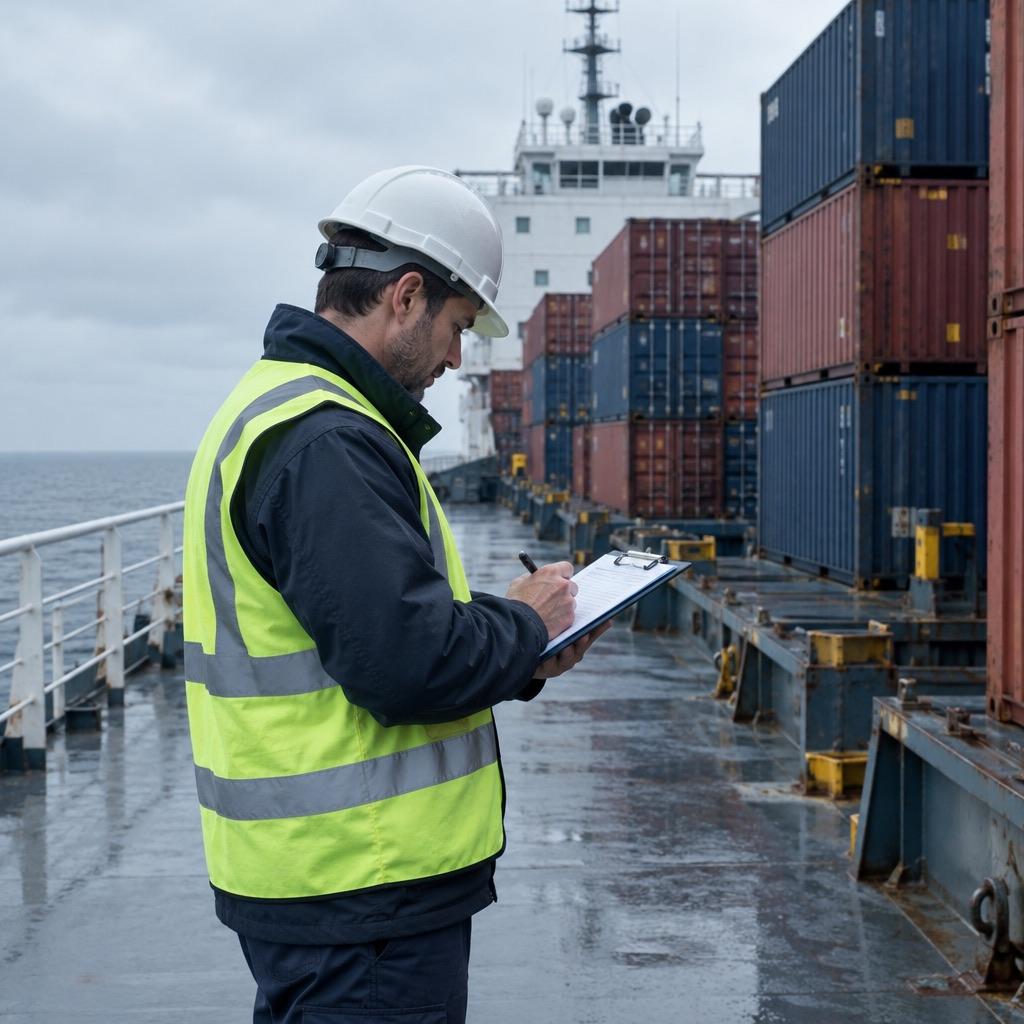
Inspector with a clipboard on the deck of a container ship
95%

fewer security incidents

Maritime cybersecurity

Real-time protection for IT and OT systems at sea

Fleets ran on more and more digital systems at sea – communication, IT and OT – with no centralized cyber protection, low bandwidth on board and legacy systems that were hard to secure.

What it cost
$80K
Time to live
8 months
fleets secured in the first year
100
cyber threats mitigated
1M+

FromTo

No central cyber protection for IT, OT and comms on board

AI monitors every vessel in real time → threats stopped, fleet compliant

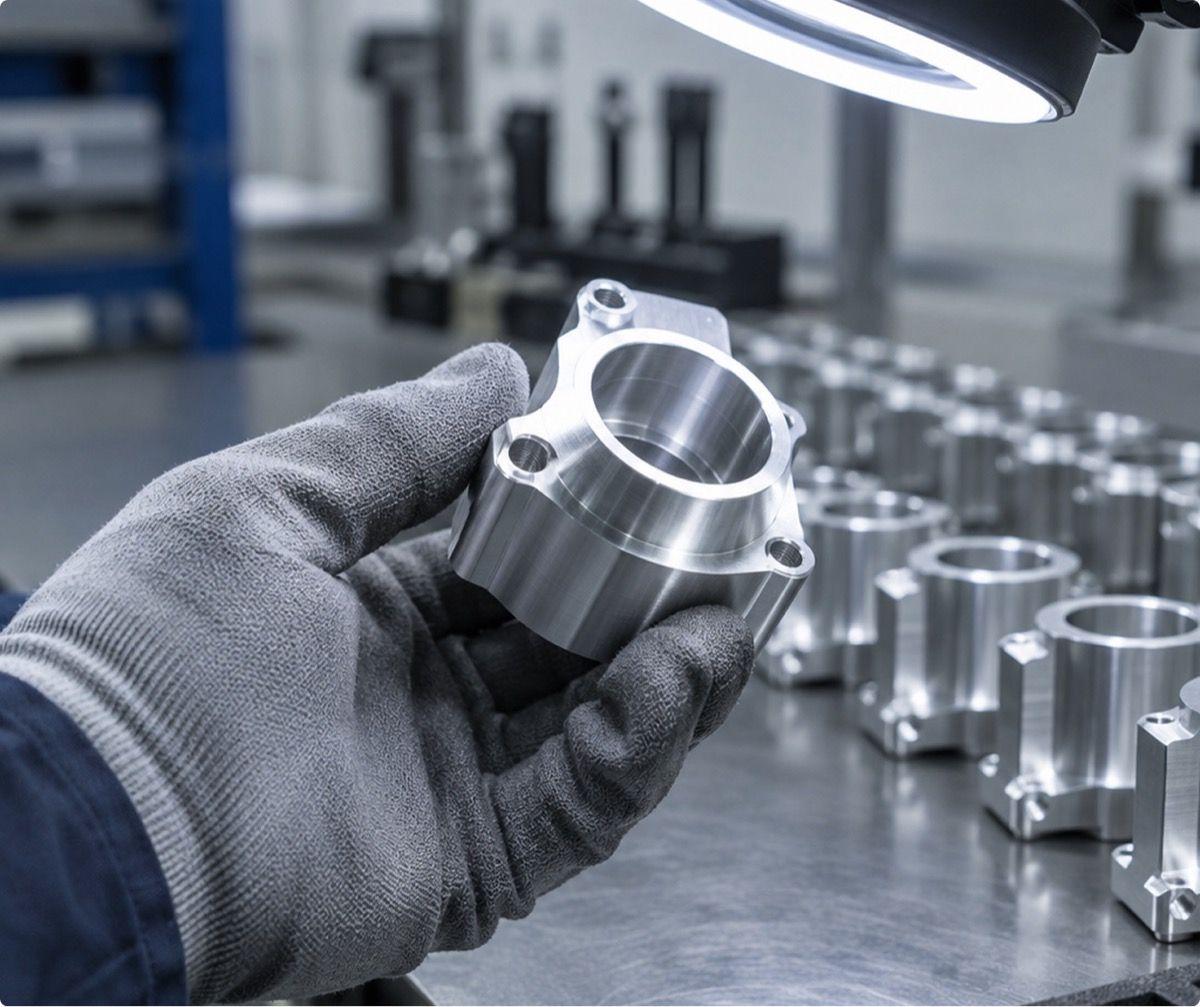
Machined metal parts under inspection on a production line
+40%

in defect detection

Manufacturing

Edge-AI circularity intelligence platform

Scrap was sorted by eye at remote sites and plant data sat in ERP, SCADA and lab files, so no one could score circularity or see where material went.

What it cost
$60K
Time to live
16 weeks
first pilot
16 weeks
forecasting
Automated
tracking
Rare metals

FromTo

Scrap sorted by eye; plant data scattered across ERP, SCADA and lab files

Edge AI classifies on-device → C2C score and a traceable baseline

Want results like these for your terminal?

Compare

How CGS Team Compares to Other Port Automation Companies

Compare CGS Team with:

CGS TeamIn-House ITLarge Integrators (ABB, Kalmar)Generic AgenciesFreelancers
Time to first workflow4–6 weeks4–6 weeks6–12 months12–24 months8–16 weeksVaries
Fixed-price guaranteeYesYesNoNoSometimesNo
Terminal-specific expertise (TOS, OCR, AGV)YesYesVariesYesNoVaries
AI search visibility (GEO/AEO)YesYesNoNoNoNo
Post-launch supportOngoingOngoingInternal onlyAvailable (costly)Project-basedNo
Integration depthFull stackFull stackLimitedFull stackPartialPartial

Large integrators can handle complex projects. The catch is the timeline. A year can pass before the first workflow is running, with costs already climbing into seven figures. Your own IT team knows the terminal inside out, though daily problems leave little room for a full build. General agencies may be quicker. Ask them to connect a CRM, and they'll manage. Put a TOS or OCR gate lane in front of them, and things get trickier. CGS Team brings hands-on terminal knowledge, faster delivery, and a price agreed before work begins.

Works with your tools

We Connect to Your Existing Systems

The first question every terminal operator asks: "Will this break what we already have?" Short answer: no. We don't rip anything out. We plug into what you've got.

Your automation
SAPBusiness applications
Microsoft 365Business applications

50+ platforms

  • Our integration work covers Navis N4 and TOPS, as well as terminal software from Jade Logistics. Tideworks and Cosmos are supported too.
  • On the hardware side, we connect Siemens PLCs with ABB controllers. Honeywell sensors and Zebra scanners are also supported, alongside RFID and OCR readers. SCADA systems fit into the same setup.
  • For business applications, we work with SAP and Oracle. Microsoft 365, Slack and Salesforce can be connected as well. Reporting runs through Power BI or Tableau, with custom dashboards where needed.
  • Open APIs and purpose-built middleware handle automation port integrations. Your TOS stays exactly where it is, and the new workflows talk to it in real time.

We've connected to 50+ logistics and terminal platforms so far, and we haven't broken one yet.

Questions

Frequently Asked Questions About Port Automation

Stop Running Your Terminal on Spreadsheets and Radio Calls

Every week without automated systems is another week of missed throughput, wasted labor hours, and operational data you can't access. CGS Team builds the systems that fix it, in weeks, not years.

  • We don’t disappear after launch

  • 4–6 weeks

    to first system live